Waterproofing in Johnston, IA
Request an estimate to address your foundation waterproofing needs and protect your home from moisture issues.
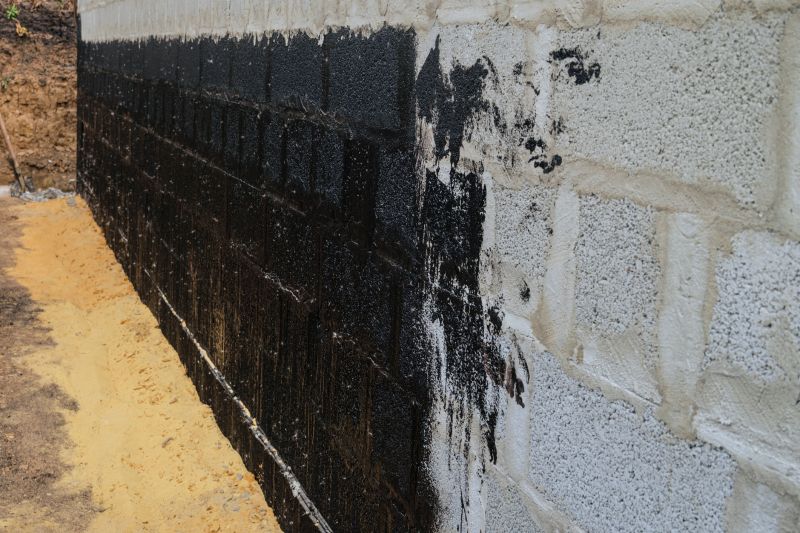
Waterproofing Project Planning
Determine the specific foundation areas and assess current moisture, cracks, or water intrusion issues affecting waterproofing needs.
Decide whether to prioritize membrane systems, sealants, or drainage improvements based on substrate and repair vs. replace considerations.
Review proposed waterproofing layers, surface preparation, and system specifications to ensure estimates include comparable materials and scope.
Waterproofing Service Guide
Learn about this service and how it relates to the work you need.
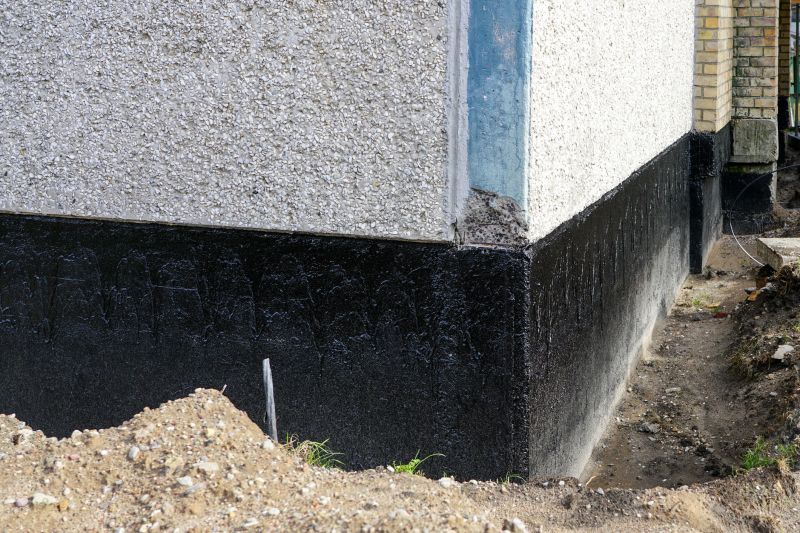
Foundation Waterproofing
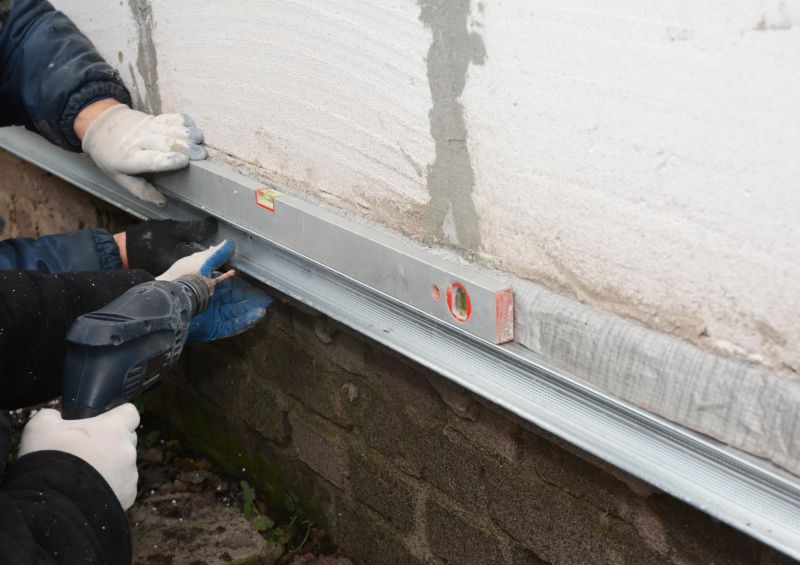
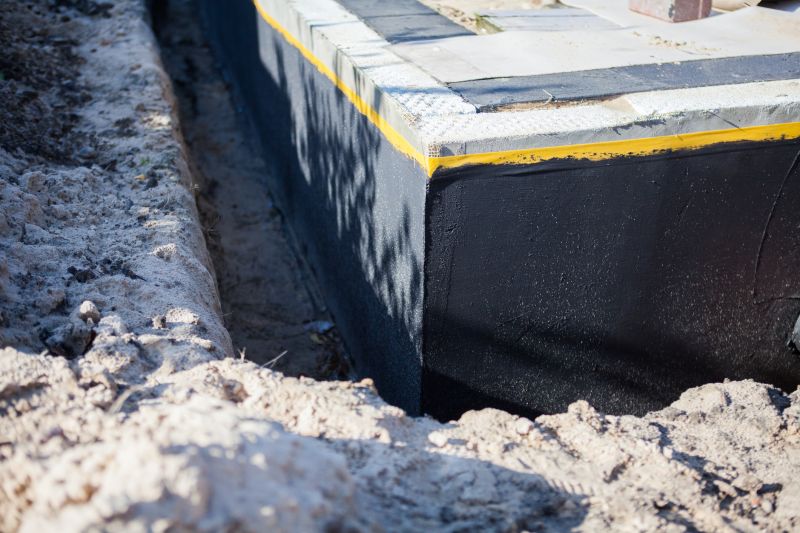
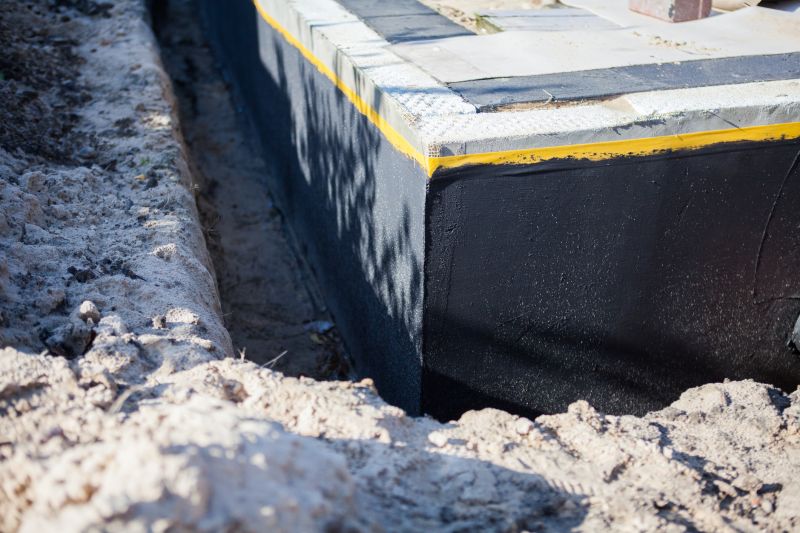
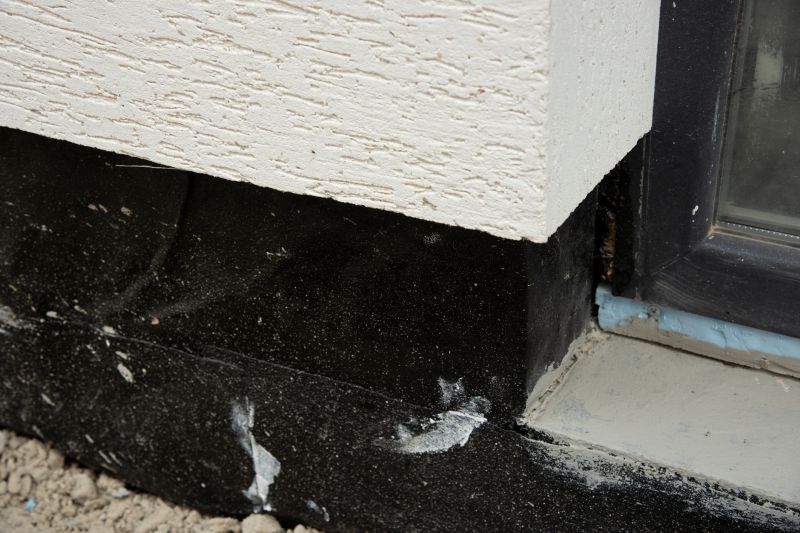
Applying sealants or membrane systems to basement walls effectively prevents water intrusion when cracks, moisture, or water seepage are present.
What to Expect
Use these general planning benchmarks to frame the project before requesting an estimate.
Common Questions
Quick answers to practical questions about waterproofing.
How can I determine if my foundation needs waterproofing or if repairs are sufficient?
Assess cracks, moisture, and water intrusion; significant issues often indicate waterproofing is necessary, while minor cracks may only need sealing.
Is waterproofing suitable for repair or should I consider replacing my foundation?
Waterproofing typically repairs surface issues; replacement is considered only if structural damage or severe deterioration exists.
What materials are used for effective waterproofing, and how do I choose the right one?
Common materials include membranes, sealants, and drainage systems; selection depends on foundation condition, substrate, and water exposure.
What preparation steps are needed before waterproofing work begins?
Clear the area, repair existing cracks, and ensure proper access to foundation surfaces for surface cleaning and repairs.
How does waterproofing impact access to my basement or foundation during installation?
Expect some disruption; work may require minor excavation or surface prep, but efforts aim to minimize home disturbance.
What maintenance is required after waterproofing to ensure long-term performance?
Regular inspections for cracks or damage, keeping gutters clear, and addressing minor issues promptly help prolong waterproofing effectiveness.
Share your project type, property details, and main goal to request an estimate.
Get A Local Estimate